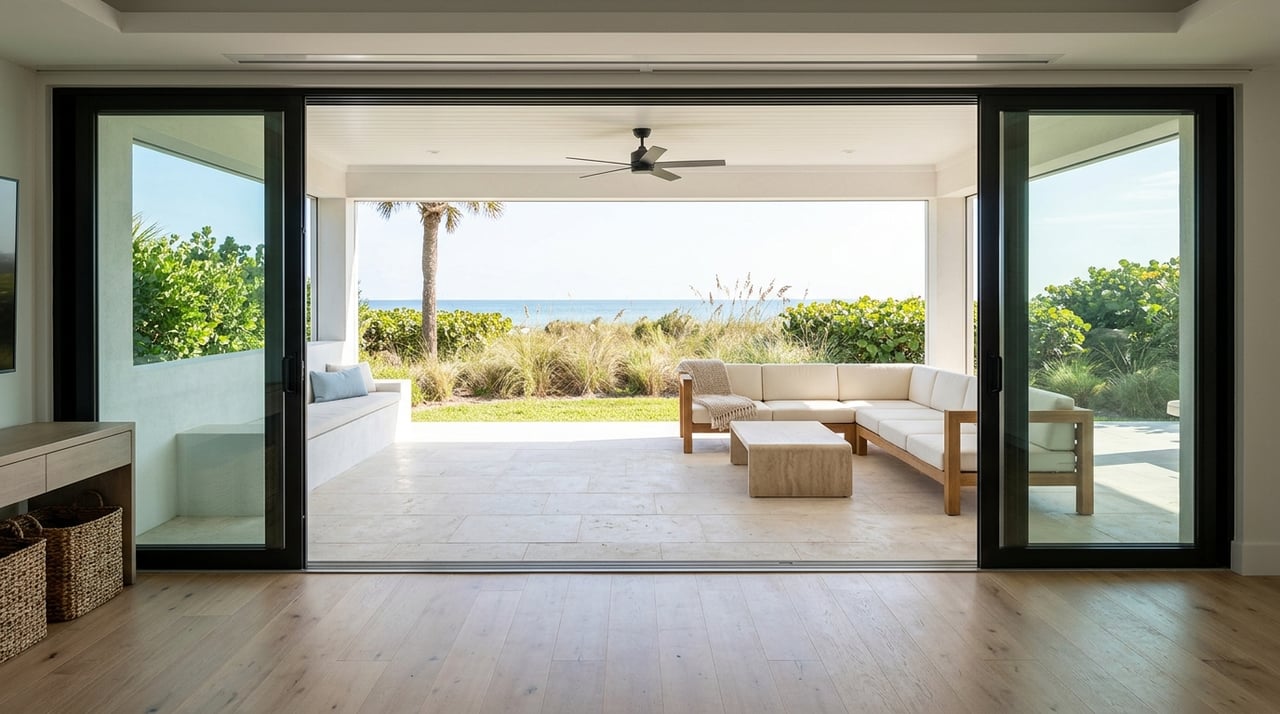
What turns a beautiful Naples beachfront home into a truly turnkey retreat? It is not just wide Gulf views or polished finishes. In a coastal setting, the homes that feel easiest to own and enjoy are the ones designed for durability, comfort, and simple day-to-day living. If you are exploring beachfront Naples real estate with renovation or new-construction potential in mind, this guide will help you think beyond aesthetics and focus on what really matters long term. Let’s dive in.
Start with Naples coastal realities
A beachfront home in Naples lives in a uniquely demanding environment. The City of Naples notes that the area is particularly susceptible to flooding from major rain events and storm surge, and its 2024 Flood Insurance Rate Maps are in effect. Before you buy, renovate, or build, the city advises confirming the official flood zone designation with a Florida-licensed engineer, architect, or surveyor.
That matters because great coastal design starts with informed planning. According to FEMA’s coastal construction guidance, best practices for siting, design, construction, and maintenance can improve durability and help reduce disaster-related losses. In other words, a turnkey retreat should feel elegant, but it should also be climate-aware and built for the realities of the shoreline.
Design for durability first
In beachfront Naples real estate, the most successful homes are designed as complete systems. That means finishes, exterior details, drainage, connections, and maintenance needs should all work together. A home that looks refined on day one but ages poorly in salt air is not truly turnkey.
The Whole Building Design Guide recommends coastal material strategies that account for corrosion, water runoff, and long-term wear. That includes sloped and drained surfaces, sealed joints that do not trap water or debris, corrosion-protected exterior metal framing, and durable fasteners and connections.
For you as a buyer or homeowner, that often translates into a simple question: will this home be easy to maintain over time? On the coast, details like durable coatings, stainless steel or equivalent protection, and careful separation of dissimilar metals can make a meaningful difference in how well a property performs.
Materials that support a turnkey feel
A durable beachfront retreat often benefits from:
- Corrosion-resistant exterior metals and hardware
- Sealed joints that reduce standing water
- Surfaces designed to drain efficiently
- Protective coatings suited to salt-air conditions
- Exterior details that limit debris collection and moisture intrusion
These features may not be the first things you notice during a showing, but they often shape how effortless the home feels to own.
Prioritize humidity-aware comfort
In Naples, comfort is not just about keeping a home cool. It is also about managing moisture. The U.S. Department of Energy explains that in hot-humid climates, air conditioning systems must remove humidity as well as heat, and even correctly sized systems can struggle if humidity is extreme. DOE also notes that oversized systems often do a poor job of dehumidifying, while properly sized or variable-capacity equipment can improve performance in these conditions.
That makes HVAC design especially important in a beachfront setting. A luxury retreat should feel crisp and comfortable when you arrive, whether you have been away for two days or two months. Smart climate control is helpful, but it works best when paired with the right underlying system design.
Cooling strategies that make sense in Naples
DOE also notes that homes can often stay cooler with proper insulation, energy-efficient windows and doors, daylighting, shading, and ventilation strategies. At the same time, ventilation alone is not an effective cooling strategy in hot, humid climates.
For a Naples beachfront home, that supports a design approach centered on:
- High-performing windows and doors
- Shading from covered lanais and terraces
- Thoughtful daylight without excessive solar gain
- Controlled indoor humidity
- Properly sized or variable-capacity cooling systems
This is one reason many of the most livable waterfront homes feel bright and open without relying on open windows for comfort.
Create a smarter beach-entry layout
A turnkey retreat should work beautifully after a day on the sand, not just during a photo shoot. Naples beach amenities help show what people value most in practice. The Naples Pier includes restrooms, showers, beach supplies, and an ADA beach access mat, while Lowdermilk Park offers similar conveniences.
That local context supports a practical design lesson. The best beachfront homes often include a clear arrival sequence that helps you move from outside to inside with less mess, less wear, and less effort.
Layout features worth looking for
When evaluating a beachfront home or planning a renovation, look for flow between these zones:
- Entry from garage or parking
- Rinse-off or shower area
- Towel and beach gear storage
- Main living and entertaining spaces
- Private bedroom wings or guest suites
That flow can make a home feel much easier to reset after guests visit or after a full beach day. It also supports the kind of low-friction ownership many second-home buyers want.
Build in storage that actually works
Storage is often overlooked in luxury design, but it matters on the coast. Naples flood mitigation guidance asks owners to explain where removable flood panels will be stored when not in use, notes that storage is not allowed in existing parking spaces, and prohibits placing panels in the dune system. You can review those details in the city’s flood mitigation guidelines for property owners.
That reinforces a broader point for beachfront design. A home works better when it has dedicated space for the less glamorous essentials, including seasonal gear, outdoor equipment, and property-specific components that need to stay organized and dry.
Smart storage ideas for a coastal home
Useful storage zones may include:
- Garage cabinetry for beach gear
- Dedicated owner closets for seasonal items
- Utility rooms with durable flooring
- Lockable storage for storm-related equipment
- Built-in mudroom-style drop zones near entry points
In a high-value home, thoughtful storage is not just a convenience feature. It is part of making the property feel polished and ready to use at any time.
Plan outdoor spaces for shade and longevity
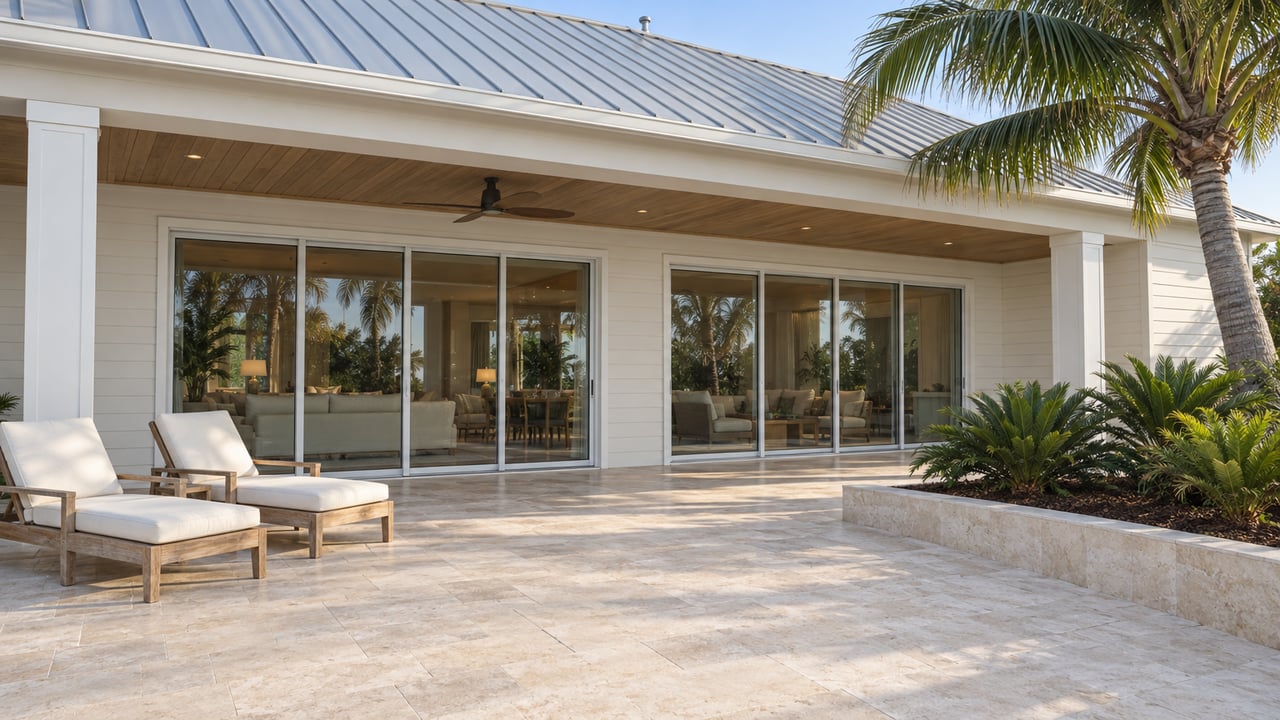
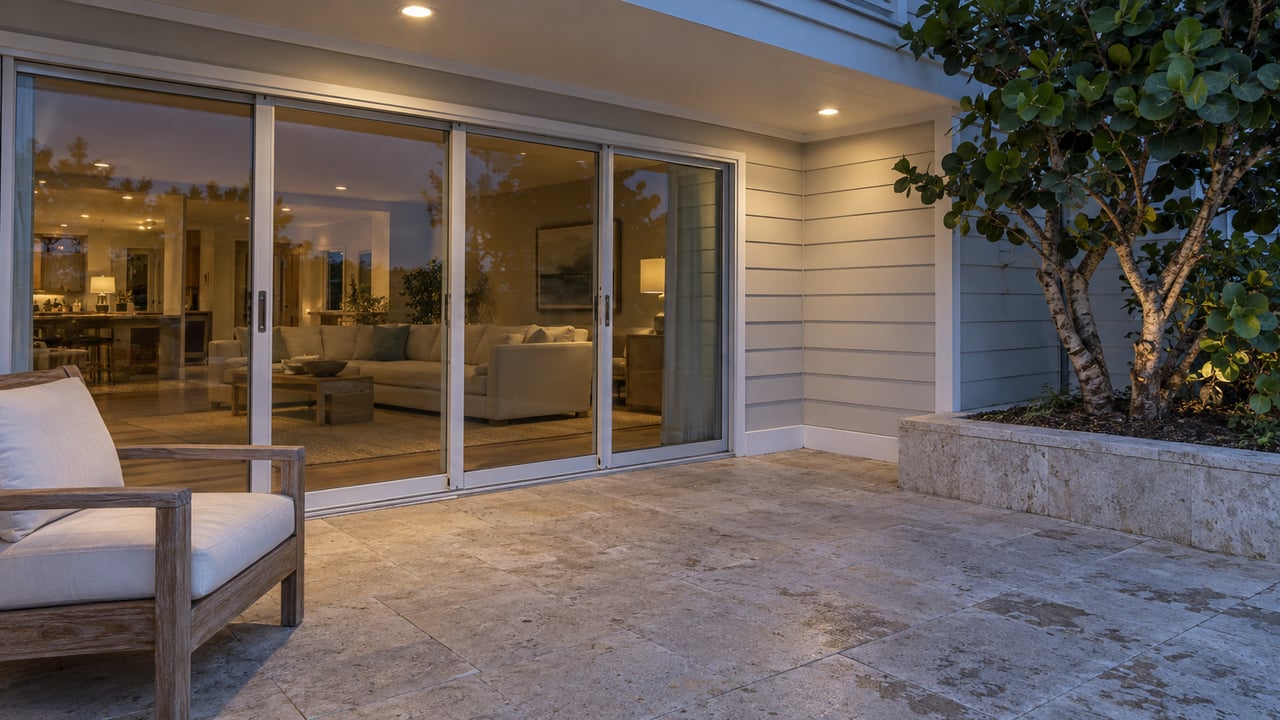
Indoor-outdoor living is central to the Naples lifestyle, but the best outdoor spaces are carefully protected. Covered lanais, shaded terraces, and generous glazing can support the open, coastal feeling buyers want, especially when paired with strong solar control and moisture management.
This is where design quality becomes practical. An outdoor living area should not only frame the Gulf view. It should also reduce heat gain, support easy entertaining, and help the home stay more comfortable throughout the day.
What protected outdoor living can add
Well-designed outdoor spaces can help you enjoy:
- More usable seating throughout the day
- Better transitions between pool, beach, and interior spaces
- Reduced direct sun exposure at key glass openings
- A more comfortable setting for dining and entertaining
A turnkey beachfront retreat should make outdoor living feel seamless, not weather-dependent.
Work with the dune system
On the Naples shoreline, landscaping is not just decorative. It is part of how a property responds to coastal conditions. The City of Naples states that landscaping and beach or dune revegetation projects seaward of the Coastal Construction Control Line must use native beach-stabilizing vegetation and salt-tolerant trees and shrubs. The city also notes that native dune vegetation helps reduce erosion and improve storm buffering.
Naples requires a Coastal Construction Setback Permit for many activities seaward of the Coastal Construction Control Line, and the city states that the beach and dune system is extremely hazardous because of storm surge, wind, and erosion cycles. It also states that no armoring of the beach and dune system is permitted in the COBRA area.
For buyers and owners, the takeaway is clear. Landscaping should work with the coast rather than fight it.
Coastal landscaping priorities
A resilient beachfront landscape often emphasizes:
- Native beach-stabilizing vegetation where required
- Salt-tolerant planting choices
- Layouts that respect dune conditions
- Designs that help limit erosion and support shoreline stability
This approach supports both long-term property performance and a more natural coastal setting.
Think beyond the remodel
One of the biggest mistakes in beachfront design is treating the project as a one-time visual upgrade. Coastal homes require ongoing stewardship. According to the Whole Building Design Guide’s coastal-corrosion guidance, preventive inspection, durable material selection, and details that move water away from vulnerable components are all important for lifecycle performance.
That means a truly turnkey retreat is not just newly finished. It is thoughtfully detailed so future upkeep is more manageable. Sealants, coatings, drainage, and periodic inspections are part of the ownership equation from the start.
Add smart-home convenience where it counts
For many second-home buyers, smart systems can make a beachfront property much easier to manage from afar. The Department of Energy notes that programmable thermostats and ENERGY STAR smart thermostats may offer remote control, scheduling, geofencing, learning features, and humidity sensing.
In Naples, that is especially useful because humidity control matters as much as temperature control. Smart technology should support comfort, energy management, and peace of mind, especially when the home is unoccupied for part of the year.
The Naples turnkey formula
If you are designing, renovating, or buying a beachfront retreat in Naples, the goal should be simple: choose a home that is as practical as it is beautiful. The strongest properties tend to bring together resilient materials, humidity-aware comfort systems, intuitive beach-entry storage, and landscaping that respects the coastal environment.
That is where local knowledge and project fluency can make a real difference. In a market where lifestyle, construction realities, and long-term stewardship all intersect, the right guidance helps you evaluate not only how a home looks today, but how it will live over time. If you are considering a beachfront purchase, renovation, or private-market opportunity in Naples, McCumber Group can help you approach the process with clarity, discretion, and a sharper eye for value.
FAQs
What makes a beachfront Naples home truly turnkey?
- A turnkey beachfront Naples home should combine durable coastal materials, effective humidity control, practical storage, easy indoor-outdoor flow, and landscaping that works with local shoreline conditions.
Why does flood-zone verification matter for Naples beachfront real estate?
- The City of Naples says the area is particularly susceptible to flooding from major rain events and storm surge, so buyers and builders should confirm the official flood zone designation with a licensed Florida professional before purchase or construction.
What cooling features are most useful in a Naples beachfront home?
- In Naples’ hot-humid climate, properly sized or variable-capacity cooling equipment, strong dehumidification, shading, and energy-efficient windows and doors are often more effective than relying on open-window ventilation.
How should storage be planned in a beachfront Naples retreat?
- Storage should include dedicated areas for beach gear, towels, owner supplies, and property-specific equipment such as removable flood panels, with dry, organized spaces that do not interfere with parking or protected coastal areas.
What kind of landscaping is appropriate for a Naples beachfront property?
- Naples guidance supports native beach-stabilizing vegetation and salt-tolerant trees and shrubs in applicable coastal areas, with landscape plans that respect dune conditions and help support shoreline stability.