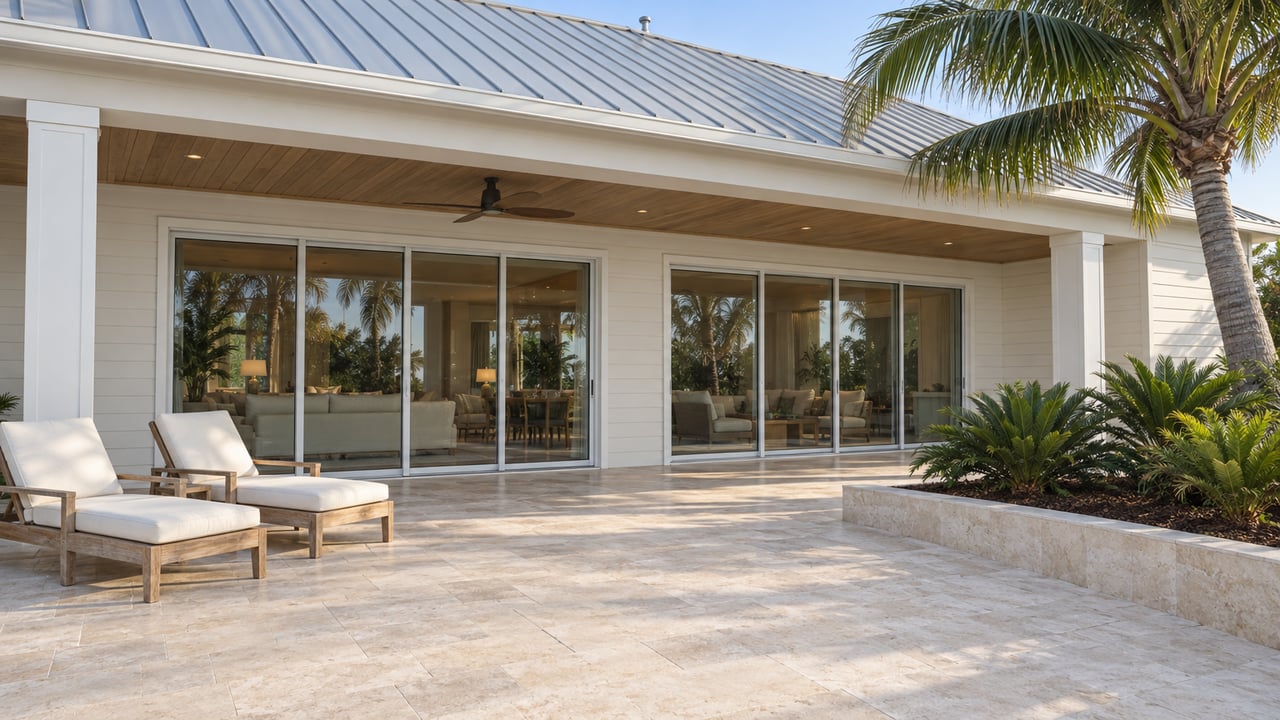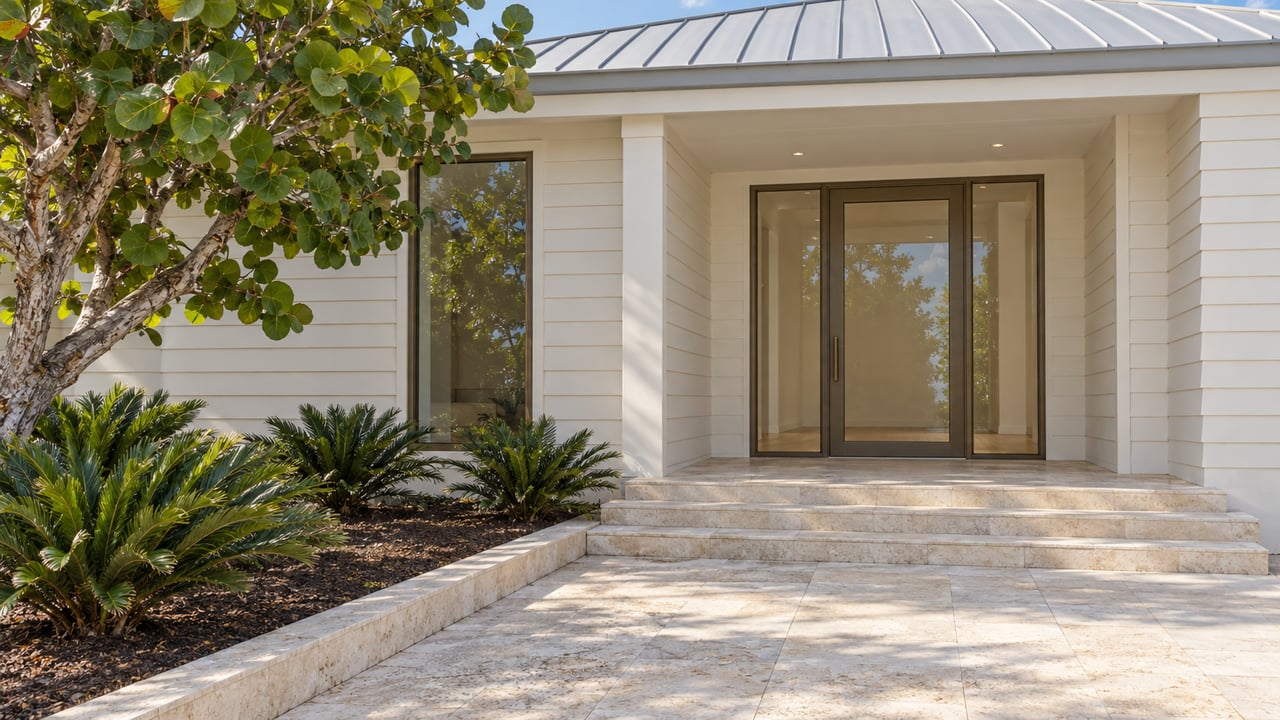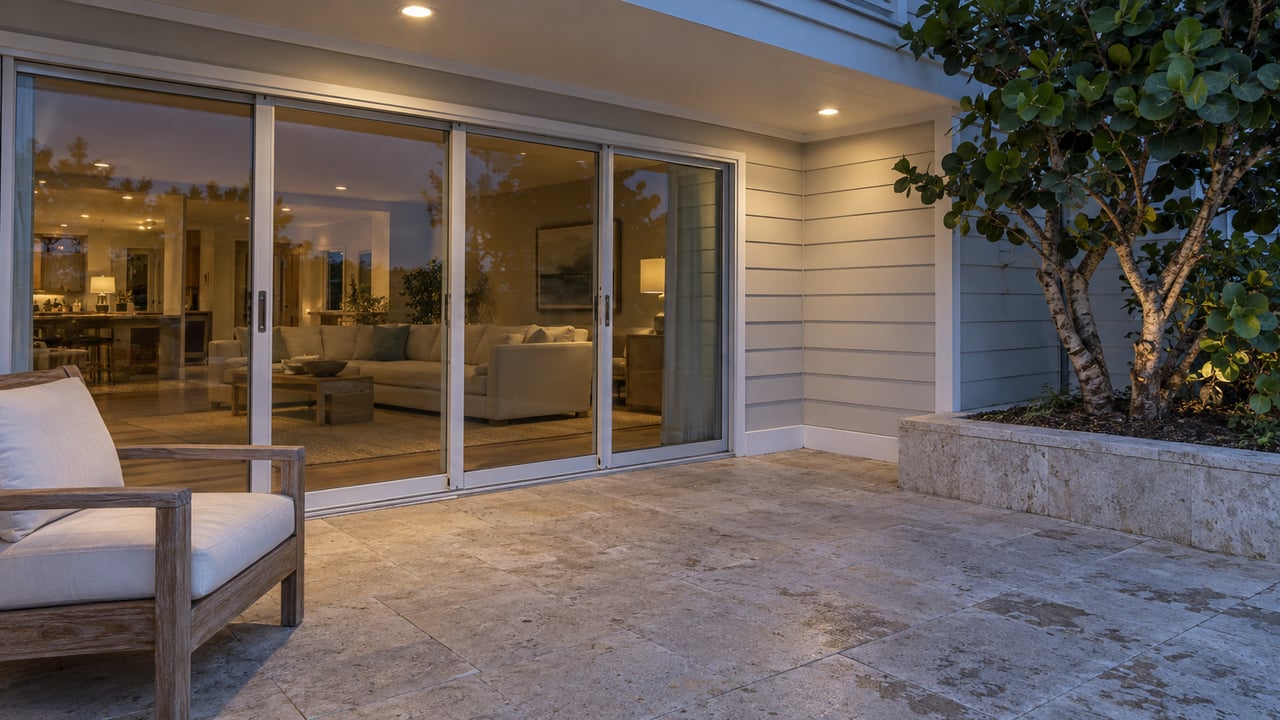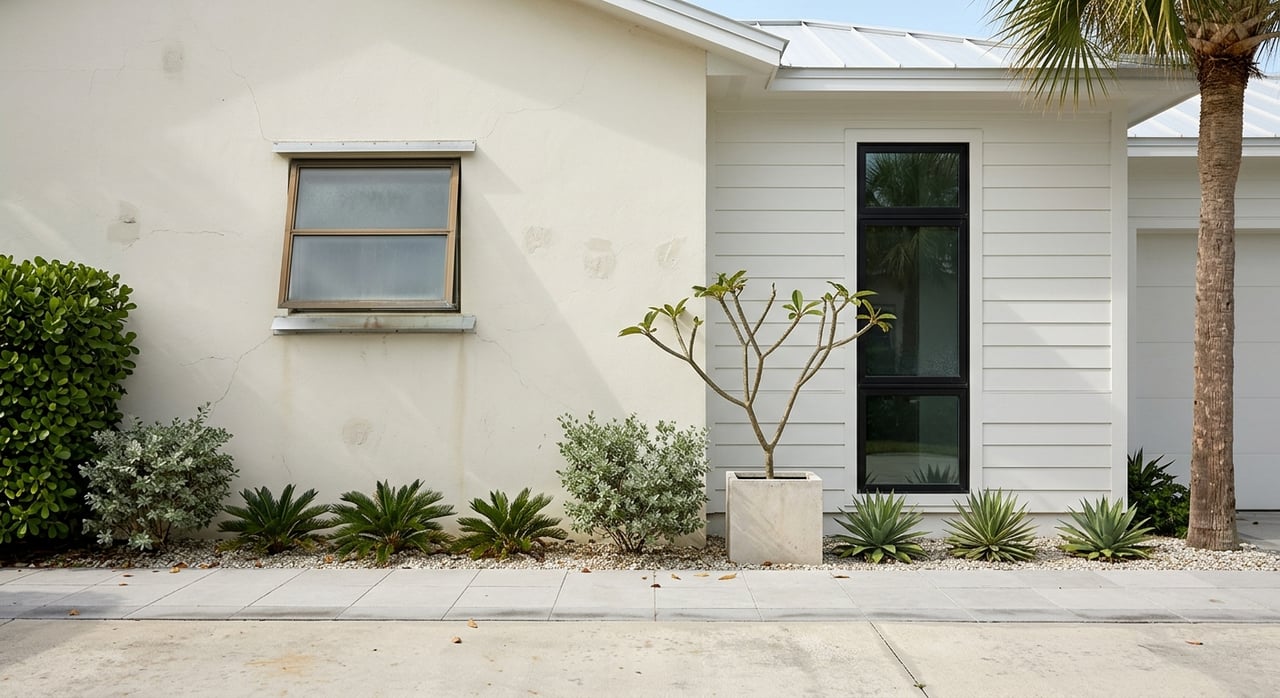
If you own a property in Lake Park, one question can shape everything that follows: should you renovate the home you have, or start over with a rebuild? In a neighborhood known for mature landscaping, quiet streets, and a mix of mid-century homes and newer replacements, the right answer depends on more than style or budget alone. You need to weigh the condition of the house, the potential of the lot, and the practical realities of Naples permitting and flood compliance. Let’s dive in.
Why this decision matters in Lake Park
Lake Park is not a blank-slate neighborhood. The City of Naples describes it as an established area with about 450 single-family homes, mature landscaping, and quiet streets. The city’s neighborhood planning documents also note that much of the housing dates to the mid-1950s, with some tear-downs already giving way to larger newer homes.
That mix is what makes the renovate-versus-teardown decision so important here. Some properties still offer a workable structure that can be updated thoughtfully, while others sit on lots that may support a much stronger long-term outcome through new construction. In Lake Park, both paths are active parts of the neighborhood’s evolution.
When renovation makes more sense
Renovation often works best when the existing house still has a solid foundation as a project. If the structure is sound, the layout can be improved without major reconfiguration, and the home can be made competitive through targeted upgrades, keeping the existing shell may be the cleaner move.
That approach can also be more straightforward from a review standpoint. According to the City of Naples, ordinary single-family projects generally do not go through the Design Review Board, and single-family residences in single-family residential districts are excluded from site plan review. In practical terms, that usually means your main hurdles are building, flood, and code compliance rather than a more layered neighborhood design process.
For many Lake Park owners, renovation also helps preserve the qualities that make the neighborhood recognizable. Mature landscaping, established street trees, and the scale of a mid-century single-family setting can all remain part of the finished product when the existing home is thoughtfully updated.
Signs your house may be a good renovation candidate
You may want to lean toward renovation if:
- The existing structure is in reasonably sound condition
- The floor plan can be improved without a full rebuild
- The house can be modernized without major site disruption
- You want to preserve existing landscaping or site character
- The cost and complexity of demolition, flood review, and lot clearing do not justify new construction
In this scenario, the goal is not simply to fix what is old. The goal is to determine whether the current house can become a competitive, functional property for today’s market without overcomplicating the project.
When a teardown may be the smarter choice
A teardown becomes more compelling when the lot has more potential than the house sitting on it. If the existing home is too small, too compromised, or too expensive to modernize relative to what the lot can support, rebuilding may offer a better strategic outcome.
That is not a theoretical concept in Lake Park. The city’s neighborhood plan already documents tear-downs and larger replacement homes, showing that rebuild activity is part of the area’s current pattern. For some owners, that makes a new home the better way to align the property with modern expectations for layout, systems, and resilience.
A teardown can also make sense when you need more than cosmetic improvement. If the existing structure requires extensive systems work, major reconfiguration, or substantial compliance upgrades, the renovation budget can quickly approach rebuild territory without delivering the same finished result.
Signs a teardown may be worth serious consideration
A rebuild may be the better fit if:
- The house is functionally obsolete for your goals
- The scope of needed repairs is extensive
- The lot can support a meaningfully improved replacement home
- Flood, code, and structural upgrades would be unusually costly within the existing structure
- You are prepared for demolition timing, permitting, and site-related requirements
The key question is simple: will upgrading the current house create enough value and utility, or are you trying to force a limited structure to do a job the lot could support far better through new construction?
Flood, trees, and site conditions can change the answer
In Naples, site realities matter. The city states that more than 90 percent of city addresses are within the Special Flood Hazard Area, and alterations or additions within that area must be reviewed and permitted. That makes floodplain compliance a central part of the decision, especially if you are considering a major addition or full rebuild.
On a renovation, flood review may still apply, but a teardown usually raises the stakes. Once you move into demolition, new construction, or significant site work, flood, stormwater, and permitting issues become more prominent. In Lake Park, where drainage and stormwater have been ongoing neighborhood concerns, that deserves early attention.
Trees are another important factor. If demolition or lot clearing involves protected tree removal, the city notes that penalties can apply. In other words, clearing the site is not just a construction line item. It is also a regulatory issue that should be evaluated before you commit to a teardown strategy.
Street frontage and access matter more than many owners expect
In Lake Park, redevelopment is not only about the house itself. The city’s current streets-and-stormwater priorities emphasize pedestrian crossings, sidewalks, and traffic calming near areas such as 10th Street North, 12th Avenue North, and US 41. That means frontage, curb access, and pedestrian circulation can become part of the practical planning conversation.
The neighborhood plan also points to traffic concerns on 7th Avenue North, plus resident concerns around drainage, alley lighting, and cut-through traffic. If your lot is on a busier edge, near an alley, or affected by circulation patterns, those details may influence whether a light-touch renovation or a more comprehensive redevelopment plan makes more sense.
What approvals and timing to expect
Before you settle on either path, start with the City of Naples Planning Department. The city says a pre-application meeting is required to determine the correct development-review process, and submittals are not officially accepted until staff confirms they are complete. Planning staff also directs applicants to confirm zoning by address using the city zoning map.
If your project remains within standard single-family zoning, the process is often simpler because Design Review Board review does not apply and site plan review is excluded. Still, that does not eliminate building, floodplain, utility, stormwater, or right-of-way review. Simpler does not mean automatic.
For demolition, the timing rules are especially important. The city’s demolition permit packet requires notice to neighboring owners at least 14 days before commencement, and demolition permits are released 14 days after that notice. The same packet says permits expire within 30 days of pick-up, and any work beyond demolition requires a separate building permit.
There is also a post-demo obligation to keep in mind. The city says a vacated lot must be brought into compliance within 60 days after demolition. If historic status is involved, timing can be very different, so confirming that early is essential.
A simple timing checklist
If you are weighing renovation versus teardown, this order can help:
- Confirm zoning by address with the city
- Gather parcel and building details
- Schedule the required pre-application meeting
- Verify floodplain and stormwater considerations
- Review demolition implications, including trees and neighbor notice
- Align your project scope with current permit requirements, including the 8th Edition Florida Building Code for applications submitted on or after December 31, 2023
Naples now accepts permit packages electronically, and the city portal can track status updates, corrections, approvals, and inspections. That does not remove complexity, but it does make the process easier to monitor.
How to evaluate the property before you decide
The smartest decisions usually begin with better property-level due diligence. Before committing to either renovation or teardown, confirm land size, building details, sales history, and GIS boundaries through Collier County Property Appraiser data files. The appraiser states that these downloadable files include land size, square footage, ownership, sales history, and parcel mapping information.
That information helps you answer the questions that matter most. How large is the parcel really? How much of the existing value is in the structure versus the land? Is the current house limiting the property’s full potential, or is it a workable asset that can be upgraded intelligently?
From there, compare the project paths in practical terms. Renovation is usually the cleaner choice when the current structure can be upgraded into a competitive home. Teardown is often the stronger strategic option when the lot can absorb a materially better new house and you are prepared for the demolition, flood, tree, and permit steps that come with it.
A practical way to make the final call
In Lake Park, this is rarely just an emotional design choice. It is a land-use, permitting, and resale-positioning decision. The best answer comes from matching the house, the lot, and your end goal as closely as possible.
If the existing home gives you a sound shell and a sensible path to improvement, renovation may protect time, character, and site conditions. If the house is holding back the lot and the replacement product would significantly outperform it, a teardown may be the smarter long-term investment.
If you want a clear-eyed view of which path creates the strongest outcome for your Lake Park property, McCumber Group offers private, project-informed guidance grounded in local Naples experience.
FAQs
Should you renovate or tear down a Lake Park home first?
- Start by evaluating the existing structure, lot potential, floodplain issues, zoning, and demolition requirements before choosing a path.
Does a Lake Park single-family project need Design Review Board approval?
- For ordinary single-family projects, the City of Naples says Design Review Board review generally does not apply, and single-family residences in single-family residential districts are excluded from site plan review.
Do Lake Park teardown projects require neighbor notice?
- Yes. The city’s demolition permit process requires notification of neighboring owners at least 14 days before commencement, and demolition permits are released 14 days after notice.
Do flood rules affect a Lake Park renovation or rebuild?
- Yes. The City of Naples says more than 90 percent of city addresses are within the Special Flood Hazard Area, and alterations or additions within that area must be reviewed and permitted.
What property data should you check before renovating or rebuilding in Lake Park?
- Review parcel land size, building details, sales history, and GIS boundaries through Collier County Property Appraiser data before making a final decision.