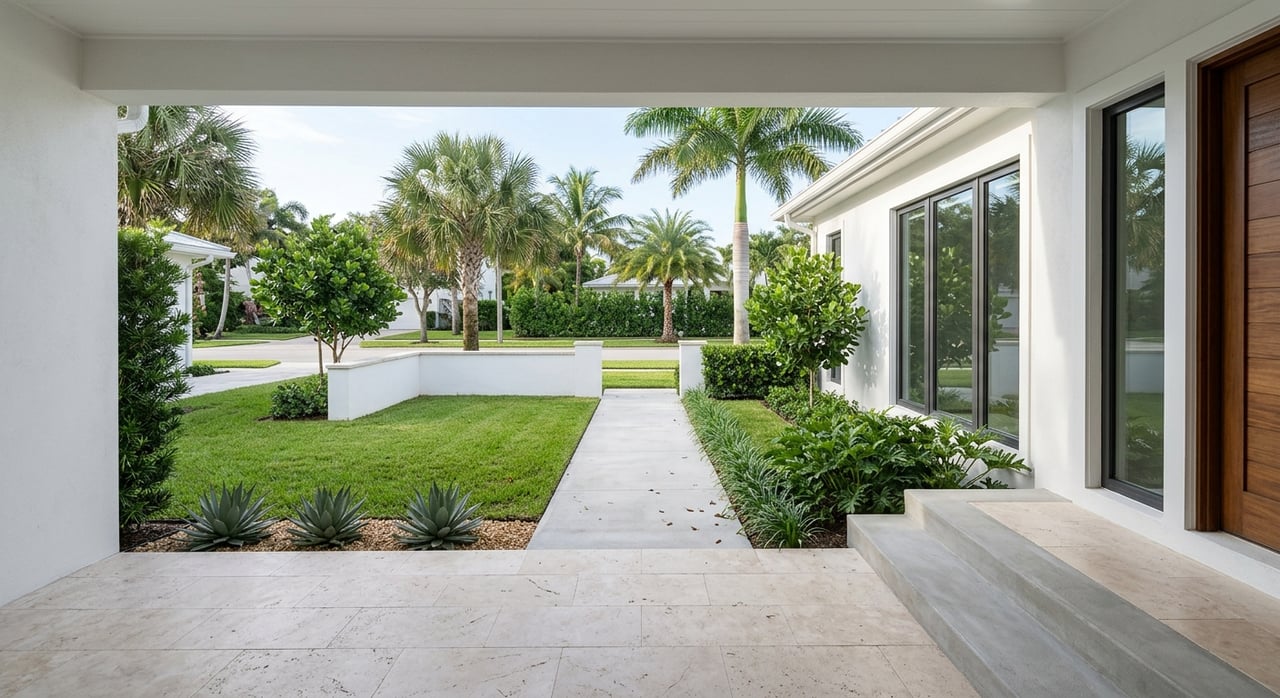
Trying to choose between a condo and a single-family home in the Moorings? It is a smart question, because both options can deliver a strong Naples lifestyle, but they do it in very different ways. If you are weighing convenience, privacy, beach access, and long-term ownership costs, this guide will help you compare the tradeoffs clearly. Let’s dive in.
Why the Moorings Stands Out
The Moorings is one of Naples’ long-established neighborhoods, stretching roughly from Binnacle Drive to just south of Spring Line Drive and from the Gulf of Mexico to US 41. According to the Moorings Property Owners Association, the neighborhood includes about 875 single-family homes and 82 condo buildings with more than 4,000 residential units.
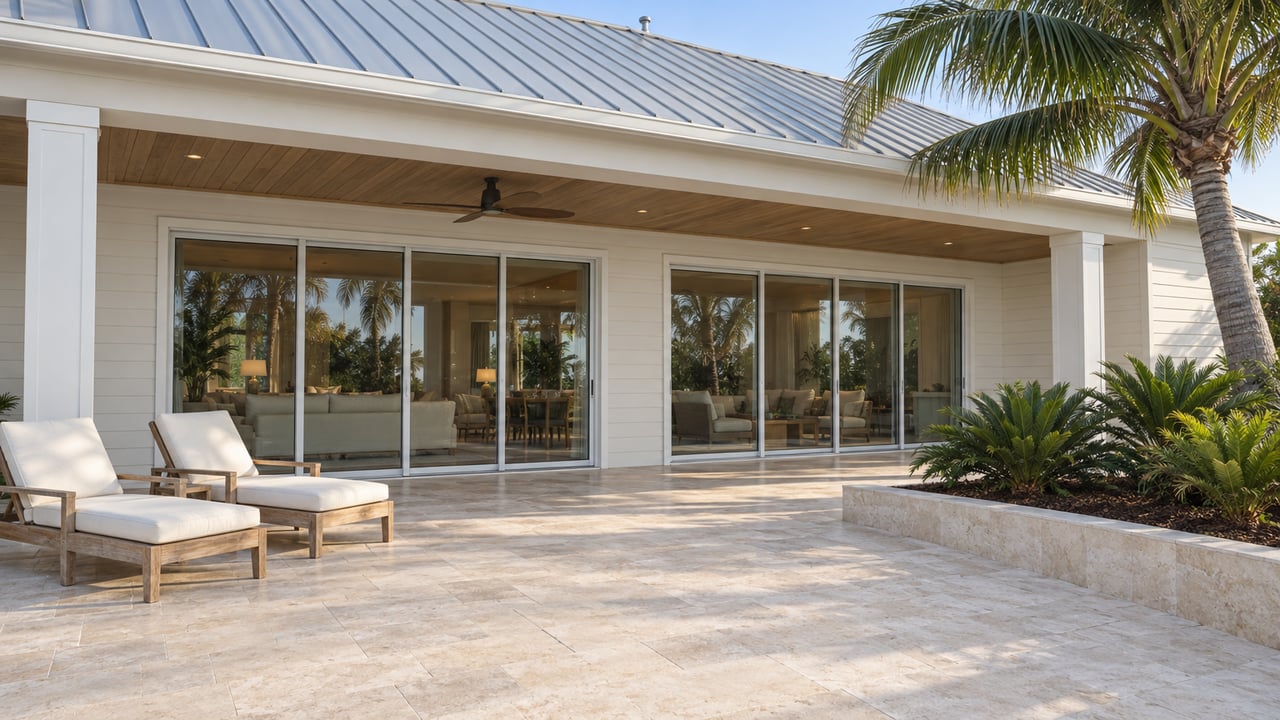
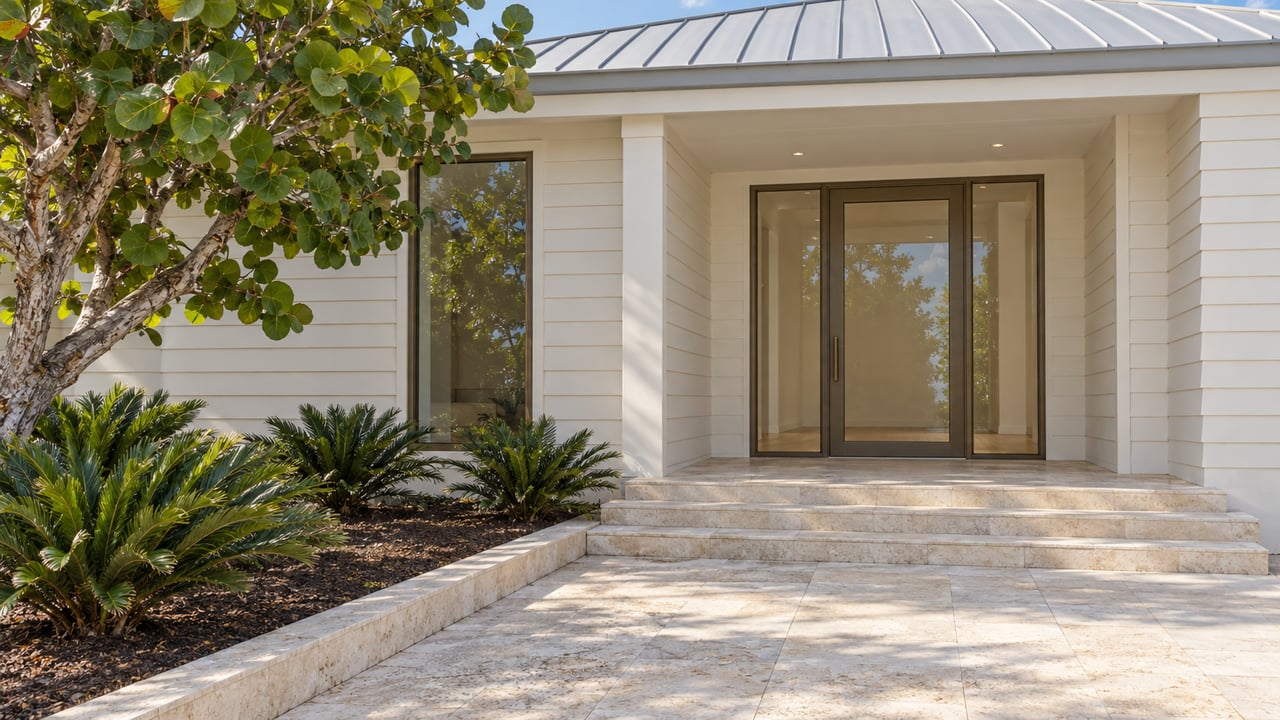
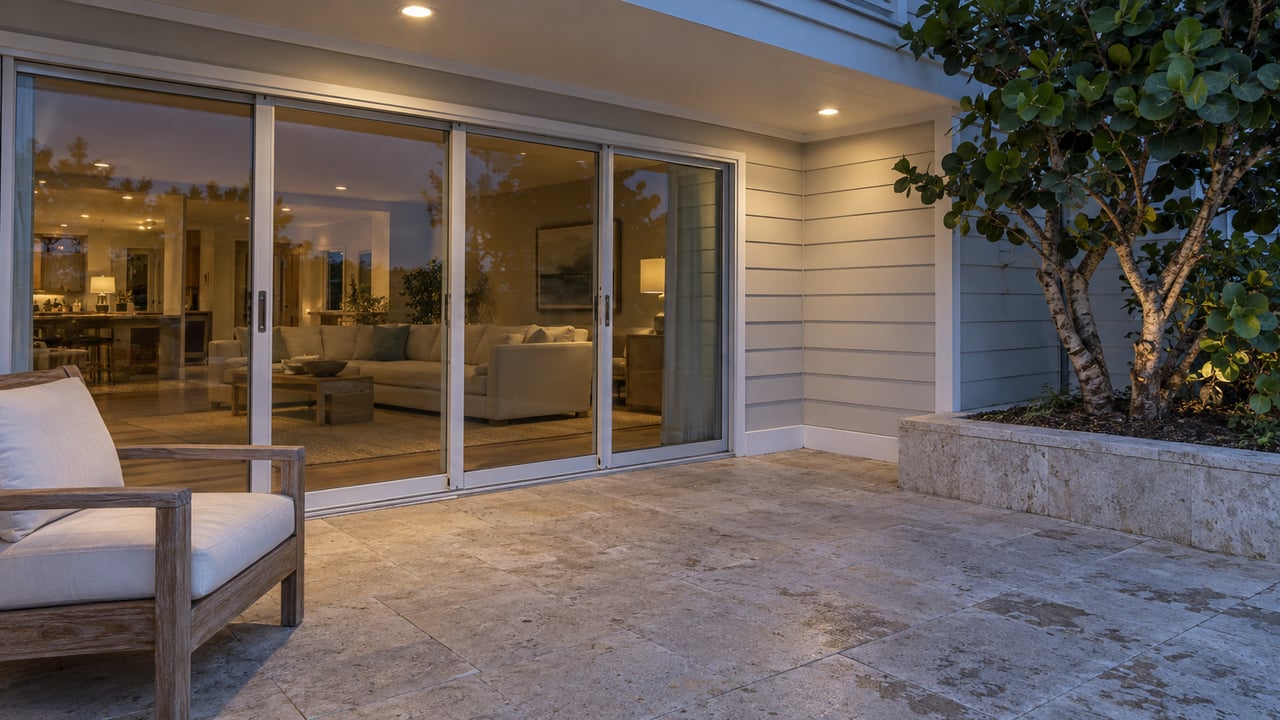
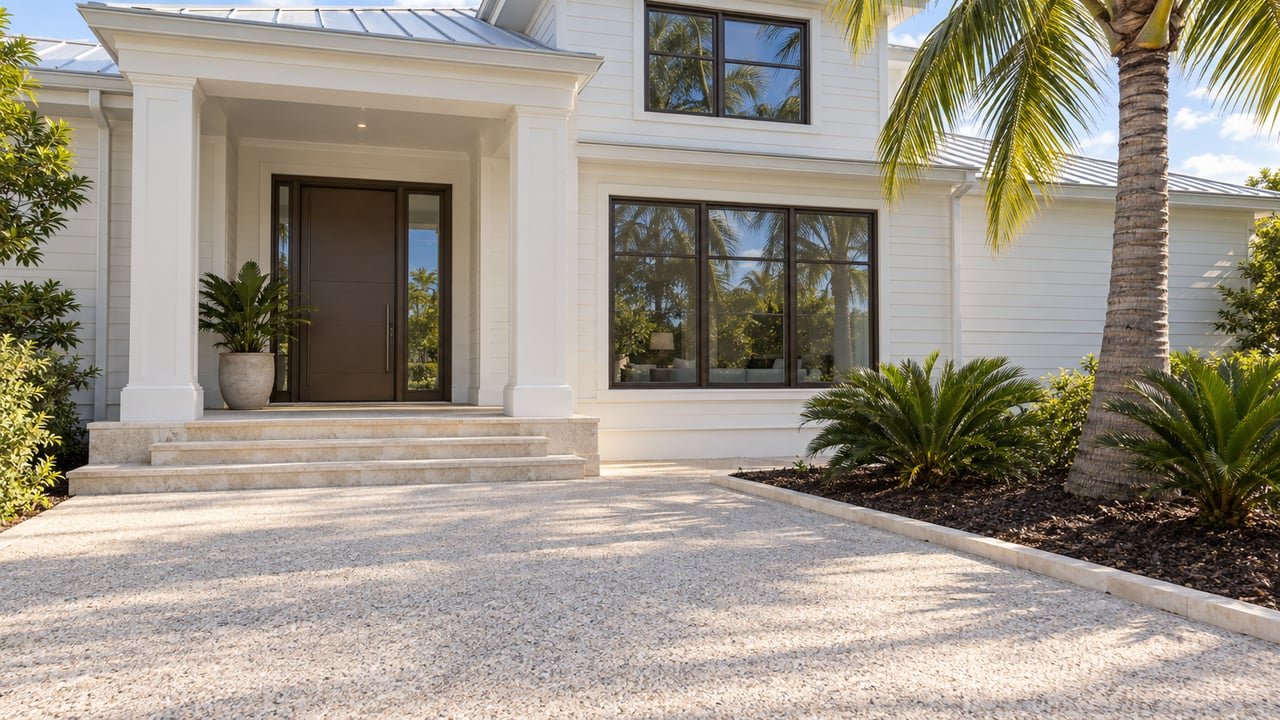
That mix is part of what makes the area so appealing. You can find everything from older beachfront condo buildings to larger detached homes on generous lots, often with pools, guest space, and flexible indoor-outdoor living.
Beach Access Can Shape Your Decision
For many buyers, beach access is the feature that matters most in the Moorings. The original development set aside 500 feet of Gulf beachfront for resident use, and today that private amenity remains a major lifestyle advantage.
The Moorings Beach Park at 2101 Gulf Shore Blvd N is the neighborhood’s main private beach amenity. As of 2026, MPOA lists a $200 annual membership fee and a $1,000 one-time new-member fee, with access to beach-park parking privileges, vehicle decals, and houseguest and renter-pass procedures.
The park is open daily from 10 a.m. to dusk, and memberships must be renewed each year. MPOA also notes there is no grace period after a lapse, and processing usually takes about 7 to 10 days.
That matters because public beachfront parking in Naples can be more controlled. For example, the City of Naples operates public beachfront parks such as Lowdermilk Park, where beach parking requires a beach permit or pay-by-space year round.
What This Means for Condo Buyers
Many condo buyers in the Moorings are looking for an easy, frequent beach routine. If your building is gulf-front or close to the shoreline, you may value the combination of walkability, direct beach access in some cases, and the option to pursue private beach park membership.
If you plan to use the beach often, predictable parking and a defined renewal process may be a meaningful part of your ownership experience. That can be especially useful for second-home owners who want their time in Naples to feel simple and well organized.
What This Means for Single-Family Buyers
Beach access for single-family homes can vary more by address. Some homes are marketed as being within walking or biking distance of the beach, while others may be just a short drive from the Moorings Private Beach Park.
If you are considering a detached home, it helps to think about how you actually want to use the beach. You may be perfectly happy with a short ride and private membership, or you may prefer a location where walking or biking is part of the daily lifestyle.
What Moorings Condo Living Usually Looks Like
In the Moorings, condo inventory often leans toward two-bedroom, two-bath or two-bedroom, two-and-a-half-bath layouts in roughly the 1,092 to 1,505 square foot range. There are also larger three-bedroom residences around 1,900 to 2,100 square feet.
Shared features often include balconies or lanais, in-unit laundry, parking, pools, fitness centers, lobby security, and on-site management. Many visible examples are in older buildings from the 1970s and 1980s, which makes document review and building condition especially important.
Why Buyers Choose a Condo
A condo can be a strong fit if you want a lock-and-leave property. For seasonal owners and second-home buyers, that lower-maintenance format is often the biggest advantage.
You may also like having shared amenities and services bundled into one ownership structure. In at least one current Moorings example, the HOA fee included insurance, property management, reserves, sewer, street lights, trash removal, water, and other services, though each building can differ.
Condo Responsibilities to Understand
Convenience does not mean fewer financial details. Florida condominium law places common-element maintenance on the association, and those costs are treated as common expenses.
For older residential condo buildings that are three habitable stories or higher, Florida now requires milestone inspections and structural integrity reserve studies on a fixed cycle. The SIRS is due at least every 10 years, and many older buildings have already passed the initial deadline.
In practical terms, condo buyers in the Moorings should expect monthly dues, reserve funding, and the possibility of special assessments. Before you buy, it is wise to review the declaration, budget, reserves, milestone-inspection status, and structural-integrity reserve study history.
What Moorings Single-Family Living Usually Looks Like
The single-family side of the Moorings offers a much wider range of scale and layout. Current examples range from a 1,875-square-foot home from 1964 on a 0.48-acre lot to newer homes with more than 4,000 square feet, three-car garages, heated pools, guest quarters, offices, and outdoor living areas oriented around the pool.
That variety gives you more flexibility. If you want a private pool, separate guest space, a home office, or room for multigenerational use, a detached home often gives you more options.
Why Buyers Choose a Single-Family Home
Single-family ownership tends to appeal to buyers who want privacy, more outdoor space, and a more independent ownership experience. You are often trading shared amenities for a larger footprint and greater control over how the property functions day to day.
That can be especially attractive if you are planning longer stays, entertaining guests, or thinking about renovation potential. In the Moorings, that flexibility is often part of the appeal.
Single-Family Responsibilities to Understand
The Moorings Property Owners Association is voluntary at the neighborhood level. That is important because a buyer should verify whether a specific parcel is subject only to voluntary MPOA membership or also sits within a separate subdivision HOA.
In many detached-home scenarios, that means more owner control but also more direct responsibility for the house and lot. You should be comfortable managing maintenance, outdoor upkeep, and ownership costs that are not spread across an association structure.
Condo vs Single-Family at a Glance
| Factor | Moorings Condo | Moorings Single-Family Home |
|---|---|---|
| Maintenance | Lower day-to-day exterior responsibility | More direct responsibility for home and lot |
| Amenities | Often includes pool, fitness, parking, security, management | More likely to feature private pool, guest space, larger garage |
| Privacy | Shared building environment | More separation and private outdoor space |
| Layout range | Commonly 2-bedroom units, with some larger 3-bedroom options | Wider range of size, lot depth, and room flexibility |
| Costs to review | Monthly dues, reserves, assessments, inspections | Property upkeep, improvements, possible separate HOA |
| Beach lifestyle | Often strong fit for lock-and-leave beach use | Depends more on location and membership choices |
Which Option Fits Your Lifestyle Best
If you picture arriving in Naples, unlocking the door, and heading straight to the beach or pool, a condo may be the simpler match. It often suits buyers who want a second home with shared services, easier upkeep, and a more turnkey rhythm.
If you picture hosting family, enjoying your own pool, creating a dedicated office, or shaping the property over time, a single-family home may be the better fit. It often gives you more privacy and more room to personalize the experience.
Best Fit for Downsizers
For downsizers, the choice often comes down to how much space you still want to manage. A condo may feel appealing if you want less exterior responsibility and a more streamlined setup.
A single-family home may still make sense if you are downsizing from an even larger property but do not want to give up privacy, outdoor living, or guest accommodations. In the Moorings, both paths can support a refined Naples lifestyle.
Best Fit for Second-Home Buyers
For second-home buyers, condos often line up well with seasonal use. Shared maintenance, on-site management in some buildings, and bundled services can make it easier to come and go.
Single-family homes can work beautifully too, but you should be realistic about the level of oversight you want. Some buyers prefer the freedom and space, while others decide that convenience matters more than square footage.
Due Diligence Questions to Ask
Before choosing either path, ask focused questions tied to the property type.
If You Are Buying a Condo
- What do the monthly dues cover?
- What are the current reserve levels?
- Has the building completed required milestone inspections, if applicable?
- What is the structural integrity reserve study history?
- Are there any pending or recent special assessments?
- What access rights does the association have for maintenance or damage prevention?
If You Are Buying a Single-Family Home
- Is the parcel subject only to voluntary MPOA membership or also to a separate HOA?
- Do you plan to join the Moorings Beach Park?
- Will you be comfortable managing maintenance directly?
- Does the layout support your guest, work-from-home, or seasonal-living needs?
- Is the beach close enough for the way you want to use it?
The Bottom Line for the Moorings
There is no one-size-fits-all answer in the Moorings. A condo can offer ease, amenities, and a clean lock-and-leave setup, while a single-family home can offer privacy, space, and more control over your lifestyle and property.
The right choice depends on how you plan to live in Naples, how often you expect to use the beach, and how much hands-on ownership you want. In a neighborhood with both established condo buildings and distinctive detached homes, clear due diligence is what turns a good purchase into the right one.
If you are weighing condo versus single-family options in the Moorings, McCumber Group can help you compare properties with a clear eye on lifestyle, ownership structure, and long-term fit.
FAQs
What is the difference between condo and single-family ownership in the Moorings?
- A Moorings condo usually offers shared amenities and lower exterior maintenance, while a Moorings single-family home usually offers more privacy, lot space, and direct ownership responsibility.
Does the Moorings have private beach access for residents?
- The neighborhood’s main private beach amenity is the Moorings Beach Park, and eligible owners can pursue MPOA membership, which includes beach-park parking privileges and related access procedures.
Are condo fees in the Moorings worth it for second-home buyers?
- They can be, especially if you value a lock-and-leave setup, bundled services, and shared amenities, but you should review exactly what each building’s fees cover.
What should buyers review before purchasing an older Moorings condo?
- Buyers should review the condo declaration, budget, reserve funding, milestone-inspection status, structural integrity reserve study history, and any special assessment exposure.
Is the Moorings Property Owners Association mandatory for single-family homes?
- The MPOA is voluntary at the neighborhood level, but buyers should confirm whether a specific property is also subject to any separate mandatory HOA.
Which Moorings property type is better for a downsizer?
- It depends on your priorities, but condos often suit downsizers who want less maintenance, while single-family homes often suit those who still want privacy, guest space, or a private pool.