What makes one Park Shore condo feel instantly memorable while another, at a similar price point, feels easy to pass over? In a premium coastal market, buyers often respond less to flashy design and more to how a residence lives day to day. If you are thinking about updating before a sale, this guide will help you focus on the changes that support presentation, function, and buyer confidence in Park Shore. Let’s dive in.
Why updates matter in Park Shore
Park Shore is known for its waterfront setting, high-rise condominiums, beach access, and proximity to Venetian Village. In a location where light, views, and ease of living carry real weight, updates tend to perform best when they strengthen that experience rather than compete with it.
That matters even more in a market where buyers have options. In the broader Naples Beach submarket, which includes 34102, 34103, and 34108, April 2026 year-to-date condo data from NABOR showed a median closed price of $1,155,000, 100 days on market, 93.6% of list price received, and 11.5 months of inventory. For sellers, that points to a premium but selective environment where thoughtful improvements can help your condo stand out.
Focus on livability first
The strongest pre-sale updates usually solve a problem a buyer can feel right away. In Park Shore, that often means better kitchen flow, smarter storage, brighter finishes, and cleaner indoor-outdoor transitions.
Buyers in this segment often want a home that feels turnkey without feeling overly customized. If your choices make the condo easier to use, easier to photograph, and easier to understand, you are generally moving in the right direction.
Kitchen updates that add value
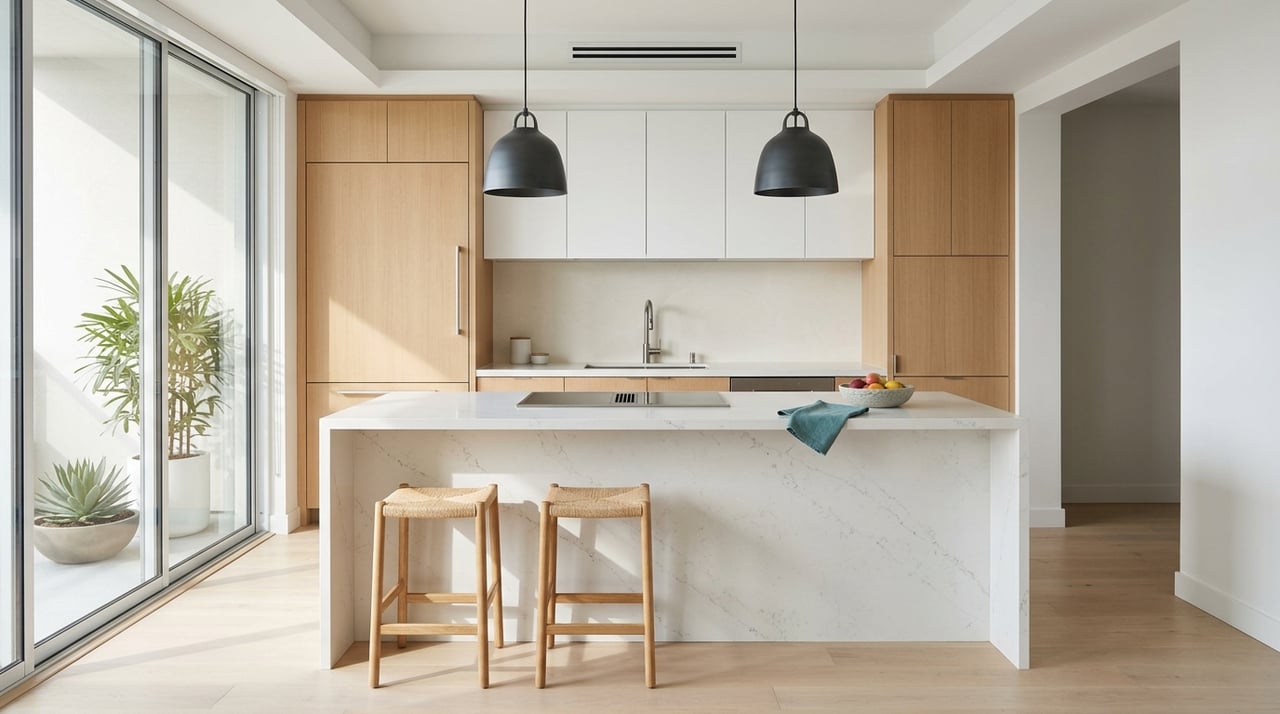
The kitchen is often where thoughtful updates have the clearest impact. Industry research points toward open layouts, better storage, dedicated beverage areas, and more lifestyle-driven function, which fits how many second-home and waterfront buyers want to live.
For Park Shore condos, that does not always mean a full gut renovation. Sometimes the best move is correcting awkward circulation, improving cabinet storage, reducing visual clutter, and creating a lighter, more cohesive look.
Improve layout and flow
If your kitchen feels closed off or inefficient, layout changes may offer the biggest payoff. A better connection between kitchen, dining, and living areas can make the entire residence feel more spacious and social, especially in a condo where every square foot matters.
Even small adjustments can help. Reworking an island, improving appliance placement, or opening sightlines toward windows or water views can shift the experience from dated to effortless.
Choose timeless finishes
Current design preferences lean clearly toward calm, durable, and transitional finishes. Research cited white, wood-tone, and off-white cabinetry as leading choices, along with white countertops, stainless steel appliances, and neutral palettes.
In Park Shore, that translates well to bright coastal interiors. Quartz and quartzite surfaces, restrained cabinet profiles, and low-clutter detailing tend to feel current without locking you into a short-lived trend.
Add storage where it counts
Storage is one of the most practical upgrades you can make. Buyers notice deep drawers, organized pantry space, concealed trash pullouts, and cabinetry that actually supports daily use.
These details may not be dramatic, but they improve the sense of quality. In photos and showings, a kitchen that looks organized and easy to maintain often reads as more valuable.
Refresh lanais and outdoor areas carefully
In Park Shore, the lanai or terrace is often part of the lifestyle story. Because many condos do not have yards, that outdoor room becomes important to how buyers imagine morning coffee, sunset views, or relaxed entertaining.
That is why surface-level improvements can be so effective. Better sliders, impact glass, shades, lighting, and durable terrace finishes usually offer more transferable resale value than highly specific outdoor buildouts.
Keep the view the priority
The goal is not to overdesign the outdoor area. The goal is to support comfort while keeping attention on light, air, and the surrounding setting.
Simple updates often do this best. Clean flooring, modern lighting, smooth door operation, and a polished transition from interior to lanai can make the condo feel more refined and more complete.
Be cautious with enclosures
Some owners consider converting a lanai into conditioned interior living space. In Naples, that kind of work is much more code-sensitive because it can involve fire-spread concerns, vertical separation issues, and in taller buildings, possible sprinkler extensions or one-hour-rated assemblies.
That does not mean it cannot be done in some buildings. It does mean you should treat lanai enclosure plans as a technical project that requires careful review, not as a simple cosmetic update.
Avoid overly personal design choices
In a luxury condo, it can be tempting to make a bold statement. For resale, however, the safer strategy is usually a polished backdrop that lets buyers imagine their own furnishings, routines, and style.
Research supports that direction. Transitional and timeless design continues to outpace more niche modern looks, and neutral finishes remain dominant. In practical terms, bright and durable usually beats dramatic and highly personal.
Understand condo approvals and permits
One of the biggest mistakes sellers make is starting work before confirming what the association and city require. In Park Shore towers, approval rules matter just as much as design decisions.
Florida law says material alterations to common elements must follow the condominium declaration, or if the declaration is silent, receive approval from 75% of the voting interests. The law also allows boards to require owners to follow an existing unified building scheme for exterior appearance.
Association review comes first
Before selecting materials or scheduling contractors, review your condominium documents and speak with the association. This is especially important if your project affects exterior appearance, windows, sliders, lanais, or other elements that may fall under building-wide standards.
This step helps you avoid delays, redesign costs, or work that has to be revised later. It also creates a cleaner paper trail when you are ready to sell.
Permits are often required
The City of Naples says most construction-related work requires a permit. It specifically notes that kitchen cabinetry replacement in condominiums requires a permit, while replacing countertops and sinks in the same location does not.
That distinction matters. A kitchen refresh may sound simple, but the permit requirement can change quickly once cabinetry, plumbing, electrical, structural elements, or exterior components are involved.
Documentation builds buyer confidence
In higher-value condo sales, buyers often want more than beautiful photos. They also want clarity on what was changed, whether the work was approved, and how the building is being maintained.
That is why visible, functional, easy-to-document updates often make the most sense if you plan to sell within one to three years. Clean records can support the turnkey story just as much as the finishes themselves.
Keep your update file organized
As you complete improvements, keep permits, approvals, invoices, product information, and warranties together. This makes it easier to answer buyer questions and can reduce friction during due diligence.
For a premium Park Shore listing, that level of organization signals care. It shows that the residence was improved thoughtfully, not casually.
Expect building records to matter
For many Florida condominium buildings that are three habitable stories or more, milestone inspections are required at age 30 and every 10 years after. Residential condominiums three stories or higher must also complete a Structural Integrity Reserve Study at least every 10 years.
The Florida Department of Business and Professional Regulation says inspection reports and reserve studies are part of the association’s official records and must be provided to potential purchasers. Buyers may ask for them, so it helps to be prepared.
A smart update sequence for sellers
If you are preparing a Park Shore condo for market, the order of operations matters. Starting with the right sequence can protect your budget and keep the project aligned with resale goals.
A practical path often looks like this:
- Confirm association requirements first.
- Identify any permit needs with the City of Naples.
- Prioritize layout, flow, and functionality.
- Select light, durable, timeless finishes.
- Refresh lanai and outdoor surfaces where allowed.
- Organize permits, approvals, warranties, and invoices.
- Plan photography and marketing once the residence feels complete.
This approach supports both value and presentation. It also reduces the risk of spending heavily on improvements that do not translate clearly to buyers.
What buyers notice most
In Park Shore, buyers tend to notice the updates that make daily life feel easier and the property feel move-in ready. They notice bright kitchens, cohesive finishes, easy slider operation, clean outdoor surfaces, and a layout that feels intuitive.
They also notice when a renovation feels too specific or poorly documented. In a selective market, thoughtful restraint often performs better than excess.
Final thoughts for Park Shore owners
If you are updating a Park Shore condo with resale in mind, the goal is not to chase every trend. The goal is to make the residence feel brighter, simpler, more functional, and easier for a buyer to trust.
That is where thoughtful updates earn their value. With the right scope, proper approvals, and a finish direction that fits the coastal setting, you can improve both the lived experience and the market presentation of your condo.
If you want a discreet, project-informed perspective on which updates are worth making before you sell, McCumber Group can help you evaluate the opportunity with clarity and local insight.
FAQs
What condo updates help resale most in Park Shore?
- The most effective updates usually improve kitchen flow, storage, light finishes, lanai usability, and overall turnkey presentation.
Do Park Shore condo kitchen updates require a permit?
- Often, yes. The City of Naples says kitchen cabinetry replacement in condominiums requires a permit, while same-location countertop and sink replacement does not.
Can you enclose a lanai in a Park Shore condo?
- Sometimes, but it is code-sensitive and may involve fire, sprinkler, and building compliance issues that vary by tower.
Do condo associations in Florida need to approve exterior-related changes?
- Yes, many exterior or common-element changes must follow the condominium declaration, and associations may require a unified exterior appearance.
Will buyers ask for condo inspection and reserve records in Florida?
- Yes. DBPR says structural inspection reports and reserve studies are part of the association’s official records and must be provided to potential purchasers.